Modern dating often feels like a second job. You spend hours swiping through profiles on mainstream apps, engaging in repetitive small talk, only to meet someone whose idea of an 'active weekend' is moving from the bed to the sofa. While opposites can attract, a fundamental disconnect in lifestyle choices is a common friction point for new couples. This frustration has paved the way for a new wave of niche platforms: fitness dating apps. By prioritising shared physical interests, these platforms promise more than just a gym buddy; they offer a shortcut to long-term compatibility.
The premise is simple yet effective. General dating pools are vast and often shallow, focusing heavily on aesthetics or proximity. In contrast, fitness-oriented apps filter candidates based on how they live their lives. When you match with someone on a platform designed for active people, you have already established a crucial baseline. You know they value health, discipline, and likely share a similar schedule. This removes the initial friction of explaining why you cannot stay out until 2am on a Friday because you have a long run planned for Saturday morning.
Why lifestyle compatibility matters more than looks
At the core of these apps is the understanding that fitness is rarely just a hobby; for many, it is a governing principle of their daily routine. It dictates when you eat, when you sleep, and how you spend your disposable income. When two people share this rhythm, the logistics of a relationship become significantly smoother.
There is also a psychological component to this compatibility. Research suggests that couples who share novel and challenging activities report higher relationship satisfaction. A partner who understands the dedication required to train for a marathon or the discipline needed for a strict lifting programme offers inherent emotional support. Instead of viewing your training time as 'time away' from the relationship, they view it as a shared value. This mutual respect for personal goals creates a solid foundation for longevity that goes beyond physical attraction.
Moving beyond the awkward pub date
One of the most immediate benefits of fitness dating apps is the shift in 'first date' culture. The standard first meeting usually involves alcohol and sitting across a table—a scenario that can feel like a high-pressure interview. If the conversation stalls, there is nowhere to hide.
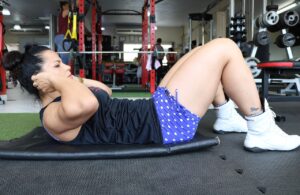
Fitness dating encourages activity-based meetings. A hike, a bouldering session, or a walk with the dogs changes the dynamic entirely. When you are moving, the conversation flows more naturally. There is less pressure to maintain constant eye contact, and the shared activity provides an immediate topic of discussion. Furthermore, exercise releases endorphins—dopamine and serotonin—which naturally elevate mood and reduce anxiety. Meeting someone while your brain is chemically primed to feel good can lead to a stronger initial connection than meeting them in a noisy, crowded bar.
Quality over quantity in the dating pool
Critics might argue that these apps are exclusionary or superficial, focusing too much on body image. However, user data suggests the opposite often happens. Because these platforms are niche, they attract users who are more intentional about finding a partner. The user base is smaller, meaning there is less mindless swiping and more genuine profile reading.
The 'paradox of choice' on massive apps like Tinder often leads to burnout and an inability to commit, as users constantly wonder if a better option is just a swipe away. By narrowing the field to people who share a specific, high-priority value, users are more likely to invest time in getting to know their matches. This intentionality is a key predictor of relationship success. You are not looking for just anyone; you are looking for someone who fits into your world.
Are these apps the secret to a long life together?
While no app can guarantee a 'happily ever after', starting a relationship on the firm ground of shared values gives a couple a statistical head start. Health-conscious couples tend to influence each other positively as they age, encouraging better diet choices and consistent movement. This accountability partnership suggests that fitness dating apps might not just be better for relationship longevity, but for actual physical longevity as well.
If you are tired of explaining your protein intake or why you own three different pairs of running shoes, it might be time to delete the generic apps. Filtering by lifestyle rather than just location could be the key to finding a partner who is willing to go the distance with you.