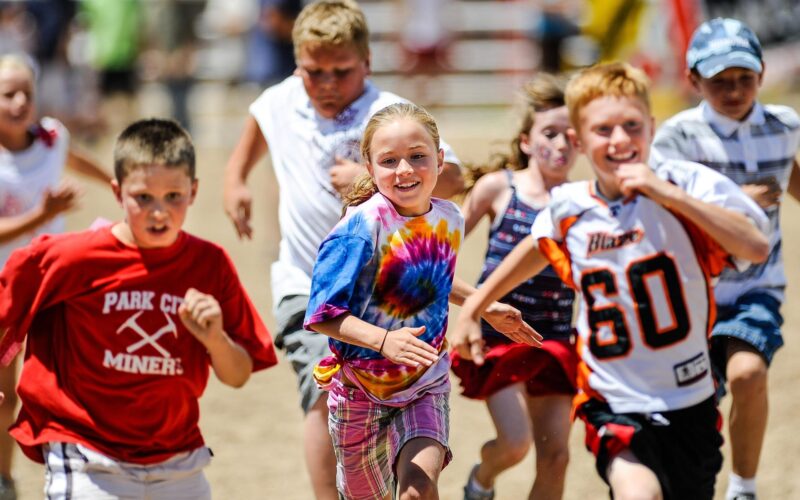
Modern family life often revolves around indoor environments, leading to a noticeable decline in daily physical movement. Engaging in family activities offers a practical solution to this growing concern, directly linking shared recreation with enhanced physical health. When parents and children participate in active pursuits together, they naturally increase their heart rates without feeling like they are enduring a strict exercise programme. This shared approach establishes foundational health habits for younger family members while allowing adults to meet their own fitness requirements. Finding ways to move as a unified household bridges the gap between sedentary leisure and structured workouts.
The biological benefits of moving together
The human body responds exceptionally well to consistent movement, which is precisely what most family-oriented activities provide. Whether it involves cycling through a local neighbourhood or playing a game of tag in the garden, these actions engage multiple muscle groups. Regular physical activity helps to regulate blood sugar levels, reduces the risk of childhood obesity, and supports healthy bone development. For adults, keeping up with active children serves as a natural form of aerobic training that combats age-related stiffness. Consequently, the entire family benefits from a strengthened immune system and a reduced likelihood of developing chronic lifestyle diseases.
Psychological and behavioural health improvements
Physical health is intimately connected to psychological well-being, and family activities create an environment where both can flourish. Exercise triggers the release of endorphins, which act as natural mood elevators for individuals of all ages. When families share these positive neurochemical responses, it often translates into improved sleep patterns and more regulated behaviours. Children who burn off excess energy are generally more focused during school hours and exhibit fewer behavioural issues. Furthermore, parents often find that professional stress dissipates more quickly when they are moving alongside their children, leading to a much more harmonious and relaxed household atmosphere.
Overcoming common activity barriers
Overcoming common barriers to active family time requires thoughtful planning and a willingness to adapt to varying skill levels. Finding a single activity that appeals to everyone can certainly present a logistical challenge. However, rotating the responsibility of choosing the weekend activity empowers each family member and ensures that preferences are valued. This approach prevents boredom and introduces the family to a diverse range of physical movements, from the balance required for roller skating to the coordination needed for tennis. Embracing this variety keeps the family engaged and challenges the physical body in new, health-promoting ways.
Establishing lifelong fitness habits
Children are highly observant and tend to mimic the behaviours of their primary caregivers, making parental involvement a powerful educational tool. When adults demonstrate that exercise is a joyful part of life, children are far more likely to internalise this perspective. Organising evening walks teaches young people that physical health requires consistent active choices. This modelling behaviour is far more effective than verbal instruction alone, as it integrates fitness seamlessly into the family identity. Over time, these shared experiences shape a child's understanding of wellness, increasing the probability that they will prioritise physical activity into their adult years.
Moving towards a healthier family dynamic
Transitioning to a more active family lifestyle does not require expensive gym memberships or complex athletic equipment. The most effective family activities are often the simplest ones, requiring only a commitment to spending time together. A brisk evening walk after dinner or an impromptu dance session in the living room can significantly elevate everyone's daily step count. By prioritising movement as a collective goal, families can support one another through the inevitable challenges of maintaining a healthy lifestyle. Viewing physical health through the lens of family connection transforms exercise from an isolated chore into an enriching shared experience.